What We Offer

Product Categories

Focus on green chemistry, Create a healthy life, Loyal to science, Achieve health. Business by virtue, Good faith symbiosis.
  • Epoxy resin sample
    DOPO-HQ modified phenolic epoxy resin YLDP-320

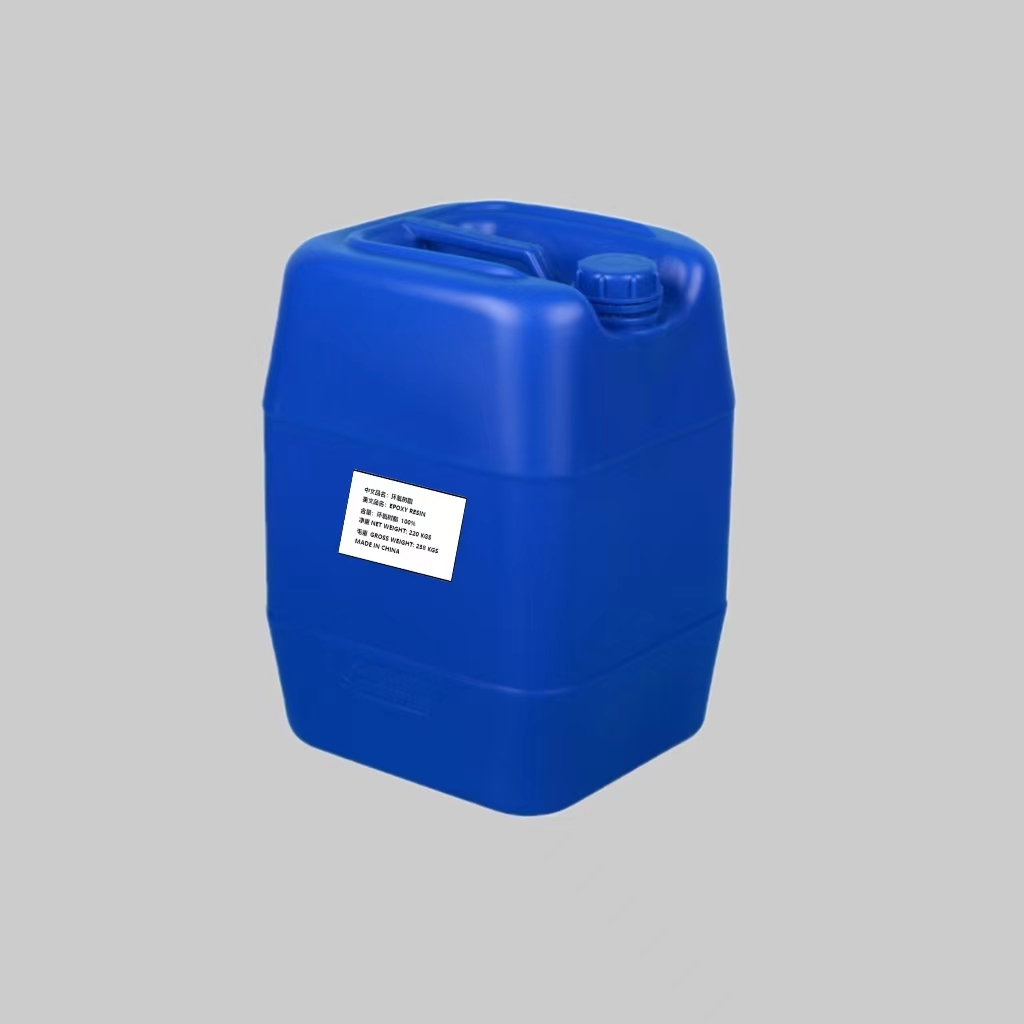
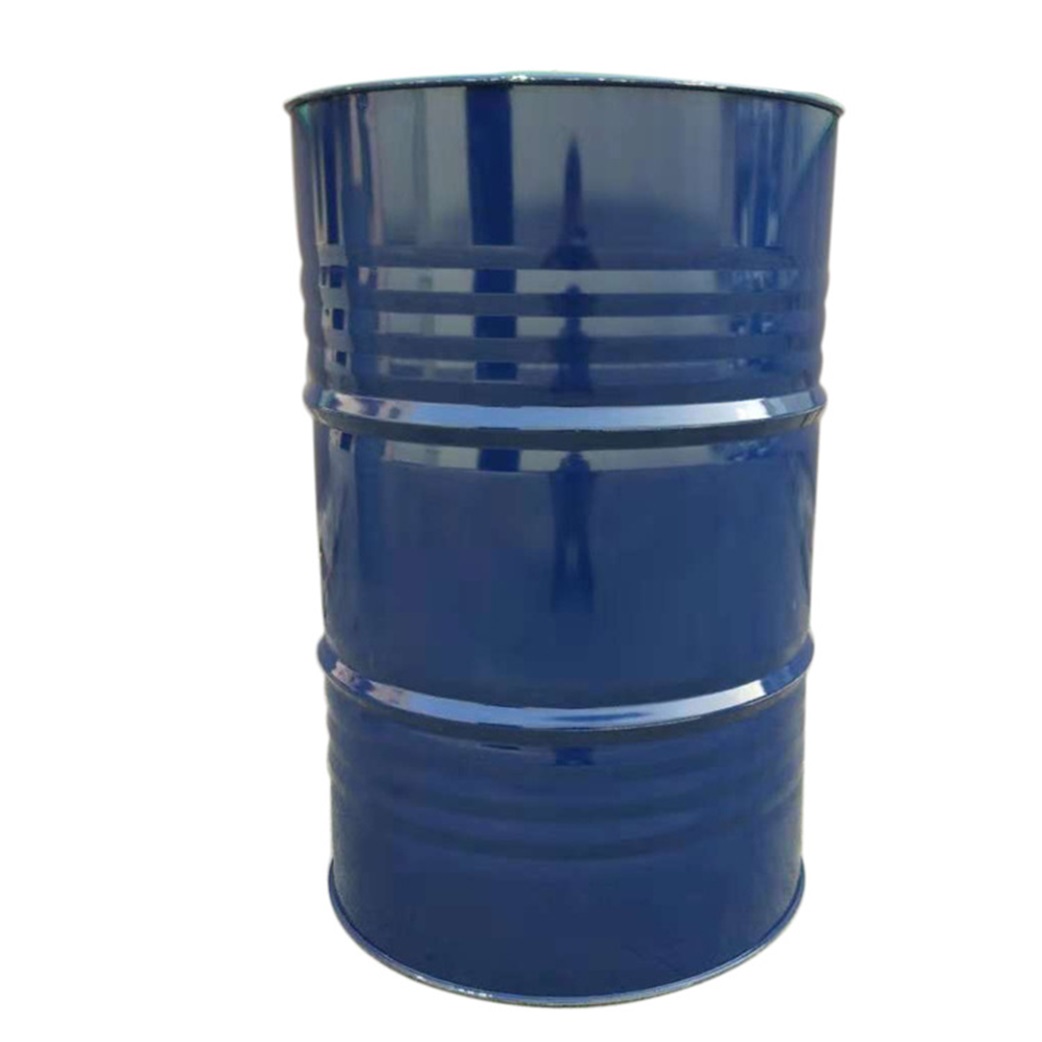
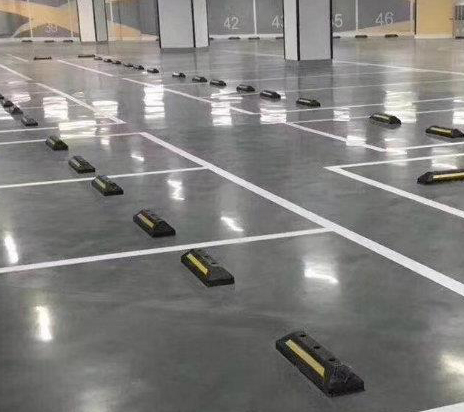
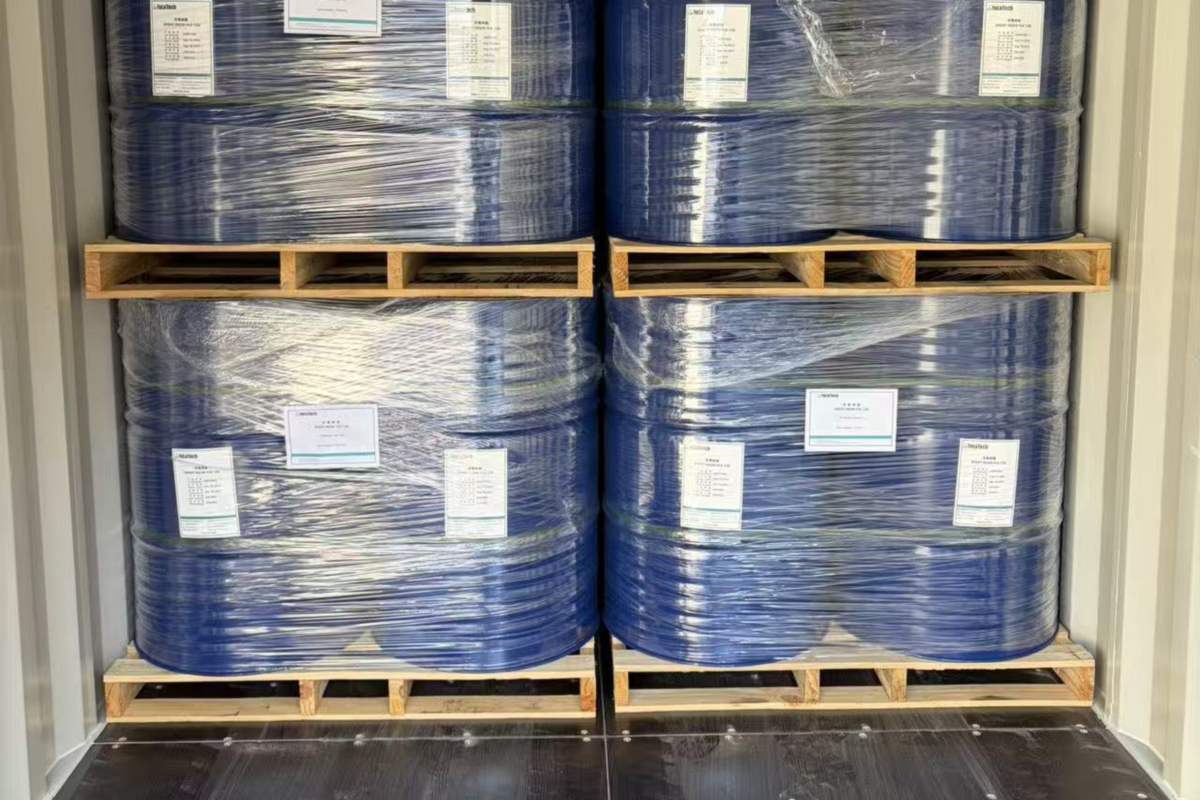
    YLDP-320 is a halogen-free phosphorus flame-retardant and Solvent-free epoxy resin that exhibits excellent heat resistance, flame retardancy, dimensional stability, and chemical stability after curing. It has a low water absorption rate. This product is an environmentally friendly flame-retardant material. It is suitable for applications in halogen-free flame-retardant printed circuit boards, electronic copper-clad laminates, capacitor packaging, electrical laminate boards, carbon fiber composites and Special Coatings other product areas. Appearance Light yellow solid EEW, g/eq 300-340 Solid content, wt% MIN 99.0 Softening point, ℃ 70-85 Phosphorus content, % 2.9-3.2   Halogen-free flame retardant printed circuit boards Electronic copper-clad laminates; Electrical laminate boards Special Coatings Advanced Composite Materials   Storage in a cool and dry place. Avoid direct sunlight. All safety information is provided in the Material Safety Data Sheet.   6 months from the date of manufacture in the original sealed container at ambient temperatures.   20kg/Drum.  

  • Yolatech epoxy resin
    N,N-diglycidyl-4-glycidyloxyaniline YLSE-0500/ YLSE-0510/ YLSE-0510L

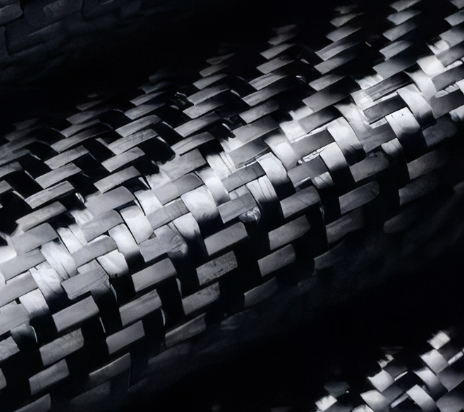
    YLSE-0500/ YLSE-0510/ YLSE-0510L, chemical name N,N-diglycidyl-4-glycidyloxyaniline are three-functional, low-viscosity epoxy resin. The molecular structure contains multiple epoxy groups and aromatic rings. During the curing process, it can form a high degree of cross-linking density and aromatic density.So they have the characteristics of fast curing, excellent solvent and corrosion resistance, excellent mechanical properties and heat resistance. They are used for electrical casting insulation products with high heat resistance grade requirements, carbon fiber and glass fiber winding, pultrusion, lamination, prepreg process molding composite material products, glass transition temperature of more than 200°C.       CAS No.:5026-74-4       YLSE-0500 YLSE-0510 YLSE-0510L Appearance Brown liquid Yellow liquid Yellow liquid EEW, g/eq 100-115 93-106 90-105 Viscosity, cps@25°C 1500-6000 500-1000 500-1000 Volatiles, % Max. 1.5 Max.1.0 Max.1.0 Totol Cl, ppm - - Max. 800 Hy-Cl, ppm - - Max. 200     Low viscosity High functionality Rapid curing High heat deflection temperatures for cured products   High-temperature resistant structural adhesive Laminated and wound formed carbon fiber and glass fiber composite materials Vacuum casting (RTM, VARTM) and automatic pressure gelation (APG) process heat-resistant epoxy resin casting materials Casting and sealing of micro-motor components Electrical insulating materials High-temperature epoxy diluent   Store in well-ventilated area. Keep away from flames and direct sunlight. Close the cap tightly immediately after use. All safety information is provided in the Material Safety Data Sheet.   At least 12 months from the date of manufacture in the original packing in ambient temperatures.   Drum package.  

  • Epoxy resin sample
    DOPO-HQ modified phenolic epoxy resin

    There are mainly three types of DOPO modified phenolic epoxy resins ,including DOPO-HQ modified and DOPO-NQ modified and DOPO modified epoxy resin, with excellent flame retardancy, heat resistance, low toxicity and low water absorption and expansion coefficient. DOPO modified phenolic epoxy resins are halogen-free flame retardant epoxy resins, and are mainly used in the fields of halogen-free flame retardant printed circuit substrates, electronic copper-clad laminates and electrical laminates. Grade No. EEW (g/eq) Viscosity (mPa.s) N.V. (%) YLDP-320-K70 300-340 <1000 70±1 YLDP-275-K70 250-300 <1000 70±1 YLDP-255-M80 240-270 1000-7000 80±1 YLDP-230-MCS80 210-250 1000-4000 80±1   Halogen-free flame retardant printed circuit substrates Electronic copper-clad laminates Electrical laminates   Store in well-ventilated area. Keep away from flames and direct sunlight. Close the cap tightly immediately after use. All safety information is provided in the Material Safety Data Sheet.   At least 12 months from the date of manufacture in the original packing in ambient temperatures.   Drum package.  

  • Epoxy resin sample
    Bisphenol A epoxy resin

    Bisphenol A liquid epoxy resin comparing with most resins, its cured product has higher adhesion strength, lower shrinkage, especially outstanding performance in mechanical strength, electrical insulation, and chemical resistance.   Grade No. EEW(g/eq) Viscosity(mPa.s) Hy-Cl(ppm) YLE-127 176-184 8000-11000 ≤ 500 YLE-128 184-190 11000-15000 ≤ 300 YLE-127S 190-220 14000-25000 5000-10000 YLE-126 210-240 12000-20000 ≤ 800 YLE-121F 174-182 8000-9000 ≤ 200 YLE-121L 172-178 4000-6000 ≤ 200 YLE-121 170-176 3500-5500 500-1000 YLE-127K 165-175 3000-5000 <200 YLE-134 230-270 - <500   Adhesive Insulation Composites (Glass fiber, carbon fiber winding material) Coating Electrical and electronic industry (Potting, casting, impregnation) Civil wood bedding    Store in well-ventilated area. Keep away from flames and direct sunlight. Close the cap tightly immediately after use. All safety information is provided in the Material Safety Data Sheet.   At least 12 months from the date of manufacture in the original packing in ambient temperatures.   Drum package.  

  • Curing agent sample
    1,3-Benzenedimethanamine Reaction Products with Epichlorohydrin CAS 135470-04-1

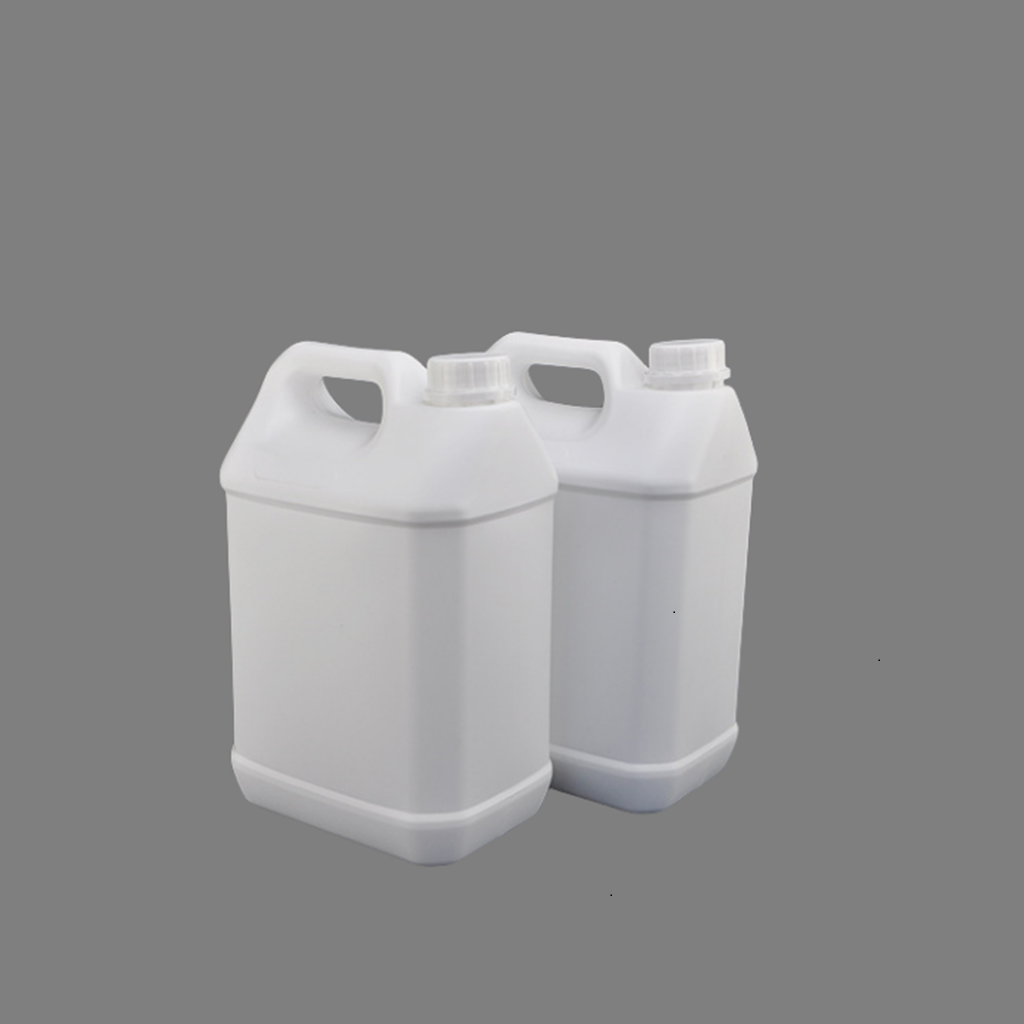
    1,3-BDX is a derivative of MXDA, with good color stability and low viscosity, excellent chemical resistance, fast curing, and wet surface adhesion. It can be used directly or used in combination with other curing agents as a curing accelerator. It has good compatibility with epoxy resin, and after mixing, it has the characteristics of long initial operation time and fast curing speed in the later stage. Its products have excellent corrosion resistance and water resistance.   Appearance Clear liquid   Color, Gardner Max. 5   Viscosity, cps@25°C   7000-14000   Total Amine, mg KOH/g 650-680   MXDA content,% 24-30     Epoxy curing agents Floor coating Adhesive   Storage temperature is 5-30°C, Avoid direct sunlight and place in a cool and dry place. Avoid strong oxidants, acids. All safety information is provided in the Material Safety Data Sheet.   12 months from the date of manufacture in the original packing in ambient temperatures.   Drums; IBC tanks.   

  • Curing agent sample
    High Purity Diethylenetriamine DETA CAS 111-40-0

    DETA is a colorless to light-yellow transparent viscous liquid, which with irritating ammonia odor, flammable, strongly alkaline. Soluble in water, acetone, benzene, ether, methanol, etc., insoluble in n-heptane, corrosive to copper and its alloys. Diethylenetriamine (DETA) is an aliphatic ethylene amine with two primary and one secondary amine groups, easy to react with a variety of compounds, its derivatives have a wide range of uses. Typical application areas of DETA include chelating agents, wet-strength resins, lubricant oil additives, oil field chemicals and polyamides for resins or epoxy curing agents.         Appearance Colorless or light-yellow transparent liquid   Color,APHA Max. 20   DETA Content,% Min.99   Water content,% Max. 0.50     Epoxy curing agents, lubricant oil additives Gas purifying agent (remove CO2) Wet strength agent (paper industry, diapers)   Store in well-ventilated area. Keep away from flames and direct sunlight. Close the cap tightly immediately after use. All safety information is provided in the Material Safety Data Sheet.   At least 12 months from the date of manufacture in the original packing in ambient temperatures.   195KG Drum or ISOTANK.  

  • Curing agent sample
    High Purity Dimethyldicyane DMDC CAS 6864-37-5

    Dimethyldicyane(DMDC) consists of two cyclohexyl rings connected by a methylene bridge, with two amino groups attached in the para position. This unique arrangement gives the compound several beneficial properties. The cyclohexyl rings provide rigidity and stability to the molecule. The amino groups make it highly reactive with epoxides and socyanates. And it exhibits good solubility in common solvents used in industrial processes. These properties make DMDC an ideal choice for high-performance materials where durability and resistance to harsh conditions are critical.         Item Specification Appearance Transparent liquid Color, APHA Max. 30 AHEW, g/eq 60 Purity,% Min. 99.0   Epoxy curing agents  Amine chain extender Synthesis for polyamide   Store in well-ventilated area. Keep away from flames and direct sunlight. Close the cap tightly immediately after use. All safety information is provided in the Material Safety Data Sheet.   At least 12 months from the date of manufacture in the original packing in ambient temperatures.   Drum package.  

  • Curing agent sample
    Industrial Grade N,N-Dimethylaniline CAS 121-69-7

    N,N-Dimethylaniline, with the molecular formula C₆H₅N(CH₃)₂, is a pale yellow oily liquid. It is slightly soluble in water. With relatively stable physicochemical properties, N,N-dimethylaniline is widely used as a fundamental organic raw material for synthesizing intermediates of fine chemicals, such as pharmaceuticals, pesticides, dyes, and pigments. Additionally, it can serve as a curing agent or accelerator for epoxy resins.                Item Specification Appearance Colorless liquid Crystallizing point (dry), °C Min. 2 N,N-Dimethylaniline content, % Min. 99.5 N-Methylaniline content, % Max. 0.4 Aniline content, % Max. 0.03 Low-boiling content, % Max. 0.02 High-boiling content, % Max. 0.05 Water, % Max. 0.1   Fine chemical intermediates, Dye intermediates, Metal preservatives. Epoxy resin curing agents, curing accelerators for polyester resins, curing accelerator for epoxy. resins, polyester resins and anaerobic adhesives. Catalyst for polyurethane foam plastic,co-catalysts for the polymerization of ethylene compounds.   Store in well-ventilated area. Keep away from flames and direct sunlight. Close the cap tightly immediately after use. All safety information is provided in the Material Safety Data Sheet.   At least 12 months from the date of manufacture in the original packing in ambient temperatures.   190KG Drum .  

  • Diluent sample
    Triethylene Glycol Divinyl Ether YLD-S0102

    YLD-S0102 is a colorless to pale yellow liquid with low volatility. It is an organic compound that is soluble in water and common organic solvents. Triethylene glycol divinyl ether is often used as an industrial solvent in the fields of fibers, resins, coatings, spray paints and adhesives. It is a reactive diluent for UV and peroxide curing adhesives and sealants. It is also a component of sulfur-based sealant compounds. It can be used as a crosslinker in the production of polyacrylate ion exchange resins.       Item Specification  Appearance Colorless or light yellow liquid DVE-3 Content, % Min. 98.0 Boiling Point, °C 120-126 Density, g/mL @25°C 0.99 Moisture Content, % Max. 0.20   Gel-Free Cationic Polymerization: Enables complete conversion (up to 100%) without gelation, ensuring predictable and controlled network formation—a unique advantage over conventional divinyl ethers. Exceptional Reactivity: Achieves rapid cure with low shrinkage and high double-bond conversion in photoinitiated cationic and dual-cure systems. Superior Hydrogel Performance: Produces larger gel fractions and more homogeneous networks compared to conventional crosslinkers (e.g., MBA), with excellent mechanical properties. Dual-Cure Versatility: Compatible with both cationic and free-radical polymerization mechanisms.   Advanced Polymer Synthesis: Comonomer and crosslinking agent for specialty polymers, including polyacrylate ion exchange resins and polyvinyl ether copolymers. Hydrogels & Biomedical Materials: Crosslinker for hydrogels used in drug delivery, tissue engineering, and water purification; low toxicity makes it preferable to alternatives like MBA.. Lithium-Ion Batteries: Component in gel polymer electrolytes, improving ionic conductivity and mechanical integrity. Polymer Modification: Modifier to enhance hydrophilicity, flexibility, toughness, and processability in coatings, finishes, and lubricant additives.   Storage in a cool and dry place, Avoid direct sunlight. All safety information is provided in the Material Safety Data Sheet.   12 months from the date of manufacture in the original packing in ambient temperatures.   Drums.  

  • Diluent sample
    Diethylene Glycol Divinyl Ether YLD-S0101

    YLD-S0101 is a low-viscosity, highly reactive di-functional vinyl ether monomer. The double bonds in its molecular structure give it rapid curing properties, while the flexible ether chains significantly improve the flexibility and hydrophilicity of the material. It can be used as an active diluent, crosslinking monomer or modifier and is widely applied in light-curing, UV-curing systems, coatings and adhesives to regulate the viscosity of the system and enhance the comprehensive performance of the cured product.       Item Specification  Appearance Colorless transparent liquid liquid Color, APHA Max. 50 Purity, % Min. 99.0 Water, % Max. 0.5   High Reactivity: The presence of two electron-rich vinyl ether groups enables rapid cationic and radical polymerization, as well as efficient participation in thiol-ene click chemistry and other crosslinking reactions. Efficient Crosslinker: As a difunctional monomer, it serves as an effective crosslinking agent, significantly enhancing the mechanical strength, thermal stability, and chemical resistance of cured polymer networks. Reactive Diluent: Its low viscosity makes it an ideal reactive diluent for reducing system viscosity in coatings, adhesives, and composites without compromising final performance, improving substrate wetting and leveling properties. Versatile Curing Options: Compatible with UV-curable and peroxide-initiated curing systems, enabling rapid cure cycles and increased production throughput. Performance Tunability: The flexible ether-oxy linkage imparts desirable hydrophilicity and flexibility to the final polymer matrix, allowing formulators to tailor the balance between hydrophilicity/hydrophobicity and rigidity/flexibility. Low Volatility: Compared to many other reactive monomers, it exhibits relatively low vapor pressure, contributing to safer handling and processing conditions.   UV-Curable Systems: A key component in UV-curable coatings, printing inks, and adhesives, providing fast cure response, excellent adhesion to various substrates (metal, glass, plastics), and good film flexibility. Adhesives & Sealants: Used as a crosslinker or reactive diluent in structural and pressure-sensitive adhesives, improving adhesion strength, flexibility, and chemical resistance. Polymer Synthesis Intermediate: Serves as a critical raw material for the synthesis of specialty polymers, functional materials, as well as intermediates for pharmaceuticals, agrochemicals, and specialty dyes. Hydrogels & Biomedical Materials: Employed in the preparation of hydrogels for biomedical applications, drug delivery systems, and tissue engineering scaffolds due to its biocompatibility and hydrophilic nature.   Storage in a cool and dry place, Avoid direct sunlight. All safety information is provided in the Material Safety Data Sheet.   12 months from the date of manufacture in the original packing in ambient temperatures.   Drums.  

  • Diluent sample
    High-Flexibility Cardanol Diglycidyl Ether YLD-9016

    YLD-9016 is a cashew oil modified epoxy glycidyl ether. It possesses bifunctional epoxy active groups and is characterized by low viscosity, high reactivity, good flexibility, stable properties, and excellent water resistance. YLD-9016 is derived from plant extracts and features green, eco-friendly, renewable, and non-toxic characteristics. It serves as a non-toxic alternative to glycidyl ethers such as AGE and BGE. As an epoxy diluent it can be widely used in high-solids and solvent-free coating systems, as well as in fields such as composites and adhesives. It can also be applied to the surface alkylation modification of silica and titanium dioxide.     Item Specification  Appearance Light yellowish brown liquid Color, G  Max. 12 EEW, g/eq 250-330 Viscosity, mpa.s 25°C 60-150 Non-volatile, % Min. 99.7   Excellent dilution power in epoxy systems, Excellent water resistance. Good hardness development at room and low temperatures. Excellent mechanical properties in coatings and adhesives.     As a viscosity reducer and toughening agent in composite materials and adhesives. Viscosity reducer in high solid and solvent-free coating systems to reduce VOC emissions. High bio-content alternative to petro-based mono and difunctional diluents (e.g., 1,6-hexanediol diglycidyl ether and 1,4 -butanediol diglycidyl ether) and epoxy modifiers.   Storage in a cool and dry place, Avoid direct sunlight. All safety information is provided in the Material Safety Data Sheet.     12 months from the date of manufacture in the original packing in ambient temperatures.   200KG Drum.  

  • Diluent sample
    Low-Viscosity Enhanced Cardanol Diglycidyl Ether YLD-9014A

    YLD-9014A is a cashew oil modified epoxy difunctional glycidyl ether. It incorporates both flexible and rigid segments, achieving an excellent balance among the film's flexibility, impact resistance, and hardness. It can be used in conjunction with conventional epoxy resins or as a standalone material. While maintaining film rigidity, it enhances the toughness and water resistance of coatings and adhesives. Derived from plant extracts, YLD-9014A is green, eco-friendly, renewable, and non-toxic. It features low viscosity, high reactivity, good flexibility, and stable properties, making it suitable for use as an epoxy resin modifier or as a standalone epoxy resin.   Item Specification  Appearance Reddish Brown liquid Color, G  Max. 18 EEW, g/eq 200-270 Viscosity, mpa.s 25°C 1000-3000 Water, % Max. 0.2   High Bio-content, Improved bond strength. Outstanding water resistance.Surface tolerance (moisture, oil and etc.). Enhanced flexibility and toughness.     As a viscosity reducer and toughening agent in composite materials and adhesives. Viscosity reducer in high solid and solvent-free coating systems to reduce VOC emissions. Can be used to prepare amine adducts.   Storage in a cool and dry place, Avoid direct sunlight. All safety information is provided in the Material Safety Data Sheet.   12 months from the date of manufacture in the original packing in ambient temperatures.   200KG Drum.  

  • Functional chemical sample
    Diallyl bisphenol A CAS 1745-89-7

    DBA is mainly used in the modification of bismaleimide resin (Bismaleimide abbreviated as BMI), which can greatly reduce the application cost of BMI resin by improving the operability and processability of BMI resin. DBA also can improve the toughness, heat resistance and mouldability of BMI resin. And DBA can be used as epoxy resin active toughening agent.     Item Specification Appearance Light yellow viscous liquid Purity, % Min. 96   Electrical insulating materials Wear-resistant materials Aerospace structural materials Used as antioxidant for rubber Used in the synthesis of modified epoxy resin   Store in well-ventilated area. Keep away from flames and direct sunlight. Close the cap tightly immediately after use. All safety information is provided in the Material Safety Data Sheet.   At least 12 months from the date of manufacture in the original packing in ambient temperatures.   Drum package.  

  • Functional chemical sample
    Bisphenol A diallyl ether CAS 3739-67-1

    Bisphenol A diallyl ether has a wide range of applications in organic synthesis, coatings, adhesives and resins. It is also used in the preparation of specific classes of rubber and plastics. It is used in high-end applications including adhesives for semiconductor wafer surfaces, photoresist materials, silicone rubber modifiers, impact resistant prepreg blanks, molding of fibre-reinforced structural components, hybrid materials for high temperature and chemical resistance, high temperature coating, waterproofing, corrosion protection.     Item Specification Appearance Colorless to light yellow viscous liquid Purity, % Min. 98   Epoxy resin crosslinking agent High temperature resistant materials Corrosion-resistant materials   Store in well-ventilated area. Keep away from flames and direct sunlight. Close the cap tightly immediately after use. All safety information is provided in the Material Safety Data Sheet.   At least 12 months from the date of manufacture in the original packing in ambient temperatures.   Drum package.  

  • Functional chemical sample
    2-Allylphenol CAS 1745-81-9

    2-Allylphenol is mainly used as a modifier for BMI or epoxy or as a reactive diluent for low viscosity resins in the RTM process, and as an intermediate in organic synthesis.               Item Specification Appearance Colorless to light yellow liquid Purity, % Min. 96   Epoxy resin reactive diluent  Intermediate in organic synthesis   Store in well-ventilated area. Keep away from flames and direct sunlight. Close the cap tightly immediately after use. All safety information is provided in the Material Safety Data Sheet.   At least 12 months from the date of manufacture in the original packing in ambient temperatures.   Drum package.  

  • Functional chemical sample
    Glycidyl methacrylate CAS 106-91-2

    As Glycidyl methacrylate it contains both carbon-carbon double bond and epoxy group in its molecule, it can carry out both free radical type reaction and ionic type reaction. Therefore, it has high reactivity and is an important fine chemical material.             Item Specification Appearance Colorless transparent liquid Purity, % Min. 99 Acid value, mgKOH/g Max. 0.05 Water, % Max. 0.1   Used in powder coatings and adhesives Used as functional monomer Used as synthesis and modification of polymer materials   Store in well-ventilated area. Keep away from flames and direct sunlight. Close the cap tightly immediately after use. All safety information is provided in the Material Safety Data Sheet.   At least 12 months from the date of manufacture in the original packing in ambient temperatures.   Drum package.  

ABOUT Yolatech

Professional Service from Yolatech

Yolatech is a comprehensive enterprise integrating R&D, production and sales, warehousing and logistics. Yolatech has its own manufacture plants and independent import and export rights as well as complete and scientific quality management system. Over the years, we have been committed to the introduction and promotion of epoxy resins and hardener and diluents and other functional chemicals in the field of marine, construction, automotive, aerospace, electronics and various manufacturing industries. Based on years of understanding and accumulation of industry and customer needs, and through good domestic and international supply and sales channels, and mutual cooperation with many famous companies in the world. We established long-term and stable partnerships with enterprises in the United States, Germany, Italy, Australia, Austria, the Netherlands, South Korea, Japan, Thailand and other countries and regions. Yolatech has become a global "one-stop sourcing and technical solution" service provider for worldwide customers. We have a certain comprehensive value-added and competition ability. We believe that "only professional teams will be the leading ones". We continue to explore new technologies, create new products, and strive to develop into an expert service system. And your trust and partnership will be really appreciated.
  • 20000
    0+

    Factory Area Covers

  • 150+
    0

    Production Lines

  • 30+
    0+

    Country Of Cooperation

SERVICE AREAS

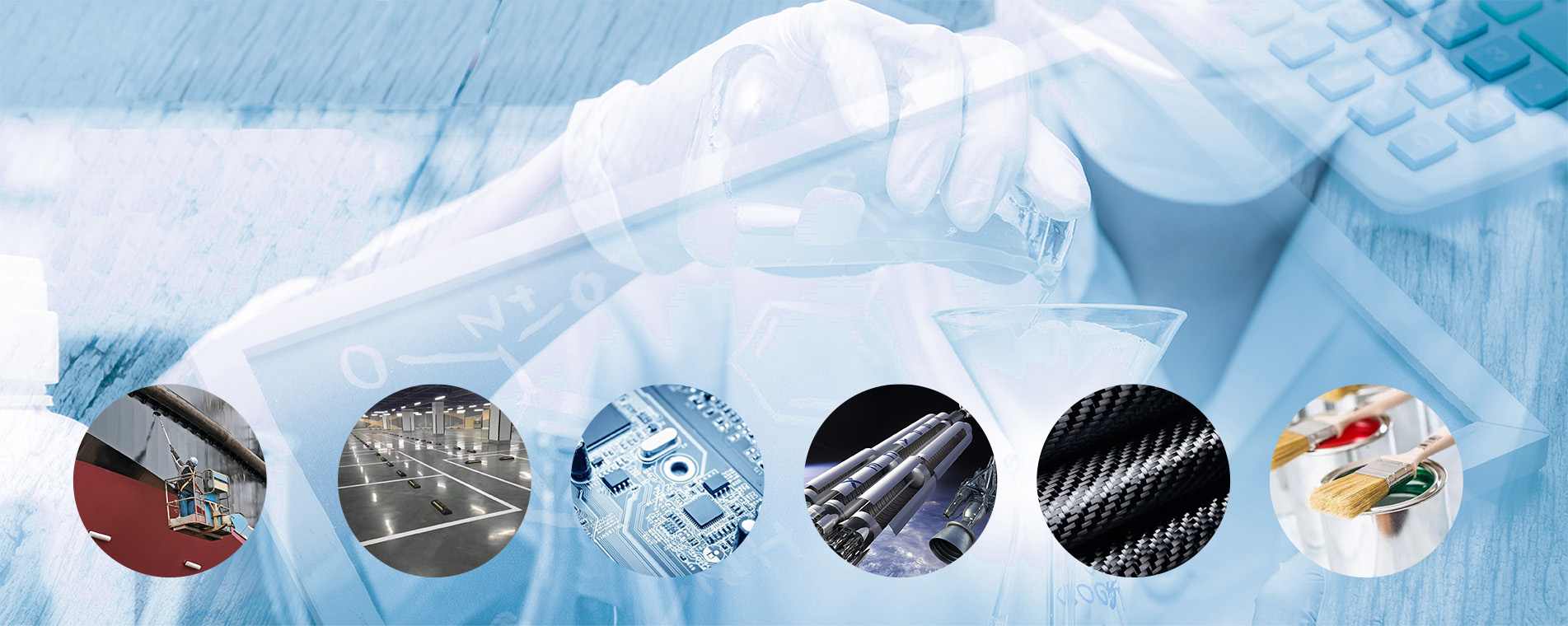
Application Field

Survive by quality, and develop by reputation.

We are here to answer your questions 24/7

The Science of Today,
Technology of Tomorrow!

Get A Free Quote
Latest News

Our Latest Posted News

Information is productivity.
Resorcinol diglycidyl ether YLD-6010 (CAS 101-90-6) is a low-viscosity aromatic epoxy diluent that lifts crosslink density in heat-resistant systems. Yolatech supplies it as a transparent liquid, melting point 33–35 °C, EEW 117–129 g/eq, viscosity 40–100 mPa·s at 40 °C. It also thins phenolic resin. Why Resorcinol Diglycidyl Ether Fits Heat-Resistant Work The resorcinol backbone is short and stiff. Two glycidyl groups sit close together on an aromatic ring, so the resin reacts fast and packs into a dense network. Cured parts come out harder, with more heat, chemical and electrical resistance than a bisphenol A system. Viscosity is the other draw. At 40–100 mPa·s it pours at 40 °C, against 11,000–15,000 mPa·s for a liquid bisphenol A resin such as YLE-128. That gap lets you cut solvent or raise filler load. One handling note: the 33–35 °C melting point sits near room temperature, so a cool plant can set the drum. Keep it warm before metering. Published Grade Data and YLD Diluent Peers Grade Chemistry CAS Fn EEW (g/eq) Viscosity @25–40 °C (mPa·s) Hydrolyzable Cl YLD-6010Resorcinol diglycidyl ether101-90-62117–12940–100 @40 °CMax. 0.5 % YLD-9013N,N-diglycidylanilineconfirm against our TDS2100–12550–150 @25 °Cnot published YLD-60111,2,3-Propanetriol glycidyl ether13236-02-73145–157100–350 @25 °CMax. 0.5 % YLD-6013Pentaerythritol glycidyl ether3126-63-44125–173100–800 @25 °CMax. 0.23 % YLD-6010 is the only difunctional resorcinol grade in the line. Watch the chlorine columns when the part touches electronics: hydrolyzable chlorine caps at 0.5 %, inorganic chlorine at 100 ppm. Theoretical Dosage with YLH Curing Agents Modified amine hardener AHEW (g/eq) Page-recommended phr Theoretical phr on YLE-128 base resin (EEW 184–190) YLH-9101924848.4–50.0 YLH-30231005252.6–54.3 YLH-310111055–6057.9–59.8 YLH-5101160–20080–10084.2–108.7 Hardener phr = 100 × AHEW ÷ EEW. The last column is theoretical, worked from published AHEW values against the published EEW range of the base resin. It lands on the page-recommended figures, which is the cross-check you want. YLD-6010 is a reactive diluent, so it is dosed into the base resin, never cured alone, but it still moves the EEW you calculate against. Take 100 parts bisphenol A epoxy resin YLE-128 at EEW 187 plus 15 parts YLD-6010 at EEW 123: blended EEW = 115 ÷ (100 ÷ 187 + 15 ÷ 123) = 175 g/eq, and YLH-3101 at AHEW 110 needs about 63 phr against 59 phr undiluted. The ceiling on diluent loading is set by how much heat deflection temperature you can trade, so recalculate the hardener phr every time that loading moves. Choosing Between It and the Alternatives Reach for YLD-6010 when you need aromatic stiffness plus a large viscosity drop from a modest addition. Choose glycidylamine diluent YLD-9013 when the amine-type backbone suits your cure schedule, and aliphatic trifunctional YLD-6011 when you want a faster build of crosslink density without aromatic colour. Send us your base resin EEW, target viscosity and cure temperature and we will run the blend arithmetic. Start from the resorcinol diglycidyl ether YLD-6010 specification.
View More
  • Yolatech at ASE CHINA 2026: Epoxy Resins in Shanghai
    05 2026-10
    Yolatech at ASE CHINA 2026: Epoxy Resins in Shanghai

    ASE CHINA 2026 is the 29th China International Adhesives and Sealants Exhibition, held in Shanghai from 15 to 17 September 2026. Nanjing Yolatech Co., Ltd. exhibited at booth E2676 in Hall E2 of the Shanghai New International Expo Centre, presenting epoxy resins, curing agents and reactive diluents. What ASE CHINA 2026 Covered The show filled halls E1 to E4 at the Shanghai New International Expo Centre in Pudong, running alongside the 21st China International Adhesive Tapes and Films Exhibition. The organiser reported 710 exhibitors, more than 200 of them first-time, on a floor area above 40,000 square metres. Product scope at ASE CHINA 2026 ran wider than at a typical adhesives show. Beside finished adhesives and sealants, the halls carried tapes, functional films, dispensing and dosing equipment, radiation-curing materials and bio-based raw materials, so a formulator could compare a base resin and the equipment that dispenses it in one walk. The organiser framed the edition around AI computing, high-speed optical communication, photovoltaic and energy storage, semiconductors, humanoid robots and automotive electronics. Four technical sessions ran in the E4270 conference area, covering tapes and functional films, electronic chemicals, adhesives for emerging industries, and raw material innovation. The Range Yolatech Brought to Booth E2676 Yolatech's booth covered lines that usually come from separate suppliers: base epoxy resins, specialty and modified resins, curing agents, and reactive diluents. Keeping them on one stand matters for adhesive formulators, because a change of diluent or hardener shifts the whole mix rather than one component. See the epoxy systems used in adhesives for the application side. Product line On the booth at E2676 Where it is used Base epoxy resin Liquid and solid bisphenol A, bisphenol F, waterborne Laminates, flooring, adhesives Specialty and modified resin Novolac, cycloaliphatic, hydrogenated, rubber-modified, urethane-modified High-temperature and heat-resistant systems Curing agent Basic amines (IPDA, MXDA, 1,3-BAC, PACM, DMDC), polyetheramine, MTHPA anhydride, DMP-30 accelerator Room-temperature and heat-cure adhesives Reactive diluent Monofunctional (AGE, C12-14), bifunctional, polyfunctional Viscosity control in solvent-free systems Electronic-grade resin High purity, low total chlorine Encapsulation, underfill, potting The amine range drew the most questions. Polyetheramine D-230 and the basic amines IPDA, MXDA, 1,3-BAC, PACM and DMDC all appeared on the booth panels, and each one trades cure speed against pot life and heat resistance. How the Show's Focus Sectors Map to the Range AI computing, optical modules, energy storage and automotive electronics push three requirements back to the resin: low ionic content, controlled flexibility, and heat resistance. That is a different demand pattern from the construction and coatings business that carried epoxy volumes a decade ago. Electronic-grade epoxy with low total chlorine covers encapsulation and underfill, where chloride content limits how close a package can sit to a live die. Cycloaliphatic and hydrogenated grades hold colour and UV resistance in optical and outdoor parts. DOPO-HQ modified phenolic epoxy gives halogen-free flame retardancy without the antimony route that REACH keeps tightening. Booth E2676 in Hall E2, with the epoxy resin, hardener and reactive diluent panels. Grade and specification talk at the booth table during the three-day show. Booth panels listing the modified resin, curing agent and electronic-grade lines. Visitors working through the grade lists with the Yolatech team. Reactive diluents handle viscosity, and they are not a neutral additive. Every 10 phr changes the mixed epoxy equivalent weight, and with it the hardener ratio the formulator has to set. Cardanol-based grades add flexibility and water resistance at the same time, which is why they keep appearing in flooring and marine work. Samples and Technical Data After the Show Samples of the resins, hardeners and diluents shown at E2676 are available for laboratory evaluation. Ask for a grade with its TDS, and the COA travels with the lot. Grades that were not on the panels usually come off the same production lines, so a specific EEW or viscosity window is worth asking about directly rather than picking the nearest listed grade. Bisphenol F and bisphenol A base resins are the usual starting point for a first trial.

    View More
  • Yolatech Attends 2026 Epoxy Resin and Curing Agent Application Technology Training
    30 2026-07
    Yolatech Attends 2026 Epoxy Resin and Curing Agent Application Technology Training

    Jinan, China – July 30, 2026 – Yolatech, a specialist in the development and export of epoxy resins, curing agents, and reactive diluents, is participating in the 2026 Epoxy Resin and Curing Agent Application Technology Training, held from July 29 to 31 in Jinan, Shandong Province . The three-day training program, which opened with registration on July 28, brings together industry professionals to explore critical developments across the epoxy resin value chain. The curriculum covers a comprehensive range of topics, including: Industry landscape: Domestic and international market trends, new product developments, and research directions for epoxy resins and curing agents. Production and applications: Manufacturing and application technologies for specialized epoxy products, including o-cresol novolac, bisphenol F, phenol novolac, high-purity resins, waterborne epoxies, reactive diluents, and modified epoxy systems. Curing agent technologies: Synthesis and modification mechanisms, product characteristics, and applications of various curing agents, including aliphatic amines, aromatic amines, polyetheramines, anhydride curing agents, phenolic resins, IPDA, hydrogenated DDM, 1,3-BAC, and MXDA. Formulation and composites: Adhesive formulation design and performance characteristics for electronic, construction, and structural adhesives, as well as composite material molding processes and performance testing. Analytical techniques: Instrumental analysis and compound spectrum interpretation for epoxy resins and curing agents . For Yolatech, the training provides a valuable opportunity to deepen technical expertise and stay at the forefront of industry innovation. The company’s participation aligns with its strategic focus on advanced epoxy materials, including low-chlorine, high-temperature-resistant, anti-crystallization, and multifunctional epoxy resins, as well as modified curing agents .   Knowledge and Network Gains By engaging with leading experts and peers, Yolatech is gaining practical insights into emerging formulation technologies and application methodologies. The technical sessions on curing agent synthesis and specialty epoxy formulations will directly support the company’s ongoing R&D efforts, particularly in high-performance coatings, electronic encapsulation, and structural adhesive applications .   Enhancing Yolatech’s Competitive Edge The knowledge acquired through this training will enable Yolatech to: Strengthen product development: Apply advanced synthesis and modification techniques to enhance the performance of its epoxy and curing agent portfolios. Improve application support: Provide more sophisticated technical solutions to customers, particularly in demanding environments requiring high thermal stability, chemical resistance, and electrical insulation. Expand market capabilities: Leverage deeper industry insights to identify emerging opportunities in composites, electronics, and specialty adhesives.   As Yolatech continues to advance innovation in epoxy resins and curing systems, participation in industry training like this reinforces its commitment to delivering high-performance, sustainable material solutions to customers worldwide .

    View More
  • Yolatech Showcases Advanced Epoxy Solutions at ACMIE 2026
    20 2026-04
    Yolatech Showcases Advanced Epoxy Solutions at ACMIE 2026

    April 14–15, 2026 — The “2026 Chemical New Materials and Fine Chemicals Conference & Exhibition (ACMIE 2026)”, alongside the “Asia Silicon Technology Conference (AST 2026)” and the “National Catalysis and Catalyst Expo,” successfully concluded in Beijing. Organized by ACMI and industry partners, the event featured 22 specialized forums covering key developments across the chemical materials sector. Yolatech participated in the exhibition, highlighting epoxy resins as a core strategic focus. During the event, Yolatech engaged with industry experts, researchers, and business partners to exchange insights on the latest advancements in epoxy resins and curing systems. Discussions centered on high-performance applications in protective coatings, electronic encapsulation, composites, and structural adhesives—particularly under demanding conditions such as high temperature, chemical exposure, and highly filled systems.   At the exhibition, Yolatech presented its competitive portfolio of advanced epoxy materials, with a strong focus on its key product lines, including low-chlorine epoxy resins, high-temperature-resistant epoxy resins, anti-crystallization epoxy resins, multifunctional epoxy resins, specialty epoxy resins, and modified curing agents.   These products demonstrated distinct advantages across various applications. Low-chlorine epoxy resins offer enhanced reliability for electrical insulation and high-end coatings. High-temperature epoxy systems ensure durability under extreme conditions. Anti-crystallization resins improve storage and transportation stability, especially in low-temperature environments. Multifunctional and specialty epoxy resins provide high crosslink density, superior mechanical strength, and excellent chemical resistance. Complementing these, Yolatech’s modified curing agents enhance processing performance and adaptability to diverse environmental conditions.   In addition, Yolatech shared its technical expertise in formulating solutions for thick-coating, high-filler, wear-resistant, and chemically resistant systems. The company demonstrated strong capabilities in high-solid formulations, exotherm control, and process optimization, receiving positive feedback from attendees.   Through its participation, Yolatech strengthened connections with industry stakeholders, expanded potential collaborations, and gained deeper insights into emerging market demands. Moving forward, Yolatech remains committed to advancing innovation in epoxy resins and curing systems, delivering high-performance and sustainable material solutions to customers worldwide.

    View More

leave a message

leave a message
If you are interested in our products and want to know more details,please leave a message here,we will reply you as soon as we can.
submit

home

products

WhatsApp

Contact Us